Best 4×4 for Your Kampala to Bwindi Gorilla Road Trip
Gorilla trekking in Bwindi Impenetrable National Park is the single most bucket-list experience Uganda offers — and getting there is half the adventure. The drive from Kampala to Bwindi covers roughly 460–550 km depending on your route and trekking sector, and takes 8 to 10 hours behind the wheel. For most of that distance you’re on smooth tarmac. For the last stretch, you’re not — and that last stretch is exactly why the vehicle you choose matters more on this route than almost anywhere else in Uganda.
This guide walks through the real road conditions, the vehicles that actually handle them, and everything else you need to plan the drive properly.
The Route: What the Drive Actually Looks Like
There are two main ways to reach Bwindi by road from Kampala, and which one you take depends on your trekking sector.
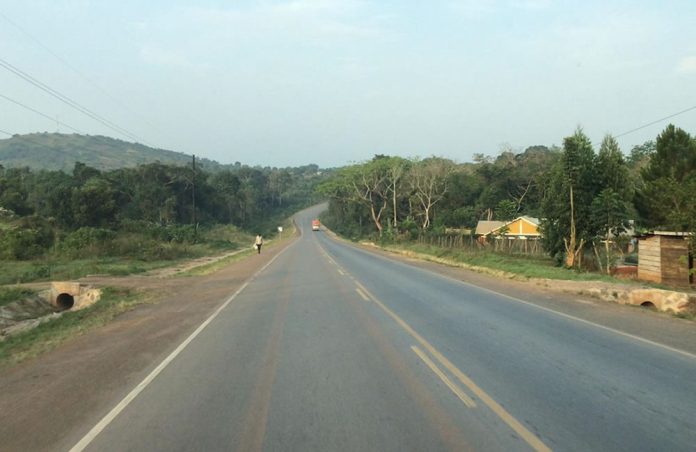
The southern route (via Masaka and Mbarara) is the most commonly used path to the northern sectors — Buhoma and Ruhija. You head southwest through Masaka, cross the equator at Kayabwe, continue to Mbarara, and push on toward Kabale before making the final descent into Bwindi.
The western route (via Ishasha) branches off after Queen Elizabeth National Park, passing through the Ishasha sector — famous for tree-climbing lions — before connecting to Kihihi and on to Buhoma. This works well if you’re combining Bwindi with a Queen Elizabeth safari, though the Ishasha road can become difficult to pass in heavy rain.
Broken into stages, the southern route looks roughly like this:
- Kampala to Masaka: ~2 hours, 125 km, well-paved highway
- Masaka to Mbarara: ~2.5 hours, 140 km, good tarmac
- Mbarara to Kabale: ~2 hours, 135 km, scenic highland driving
- Kabale to Buhoma/Rushaga: ~2–3 hours, 60–80 km, rough murram roads
That last section is short in distance but long in difficulty. The road drops out of the highlands, crosses several stream causeways, and climbs steeply into the Bwindi escarpment on narrow, rutted murram track. If you’re heading to the southern sectors (Rushaga or Nkuringo) via Kisoro, expect tight switchbacks on steep gradients where four-wheel drive and low range aren’t optional extras — they’re mandatory.
Why the Vehicle Choice Matters So Much on This Route
Most of Uganda’s major highways are genuinely good — the Kampala-Masaka-Mbarara corridor is smooth, well-maintained, and manageable in almost any car. Bwindi is different because the final approach, regardless of which sector you’re headed to, leaves tarmac behind entirely.
Once you’re past Kabale or Kisoro, you’re on murram roads that are rough and dusty in the dry season and can turn genuinely treacherous in the rain — March to May and September to November are Uganda’s wet months, and that’s when this stretch demands the most respect. Low ground clearance, two-wheel drive, or an underpowered engine isn’t just uncomfortable here; it’s how vehicles get stuck or damaged on the final climb. A standard sedan should not attempt this route under any circumstances.
The Best 4×4 Options for Kampala to Bwindi
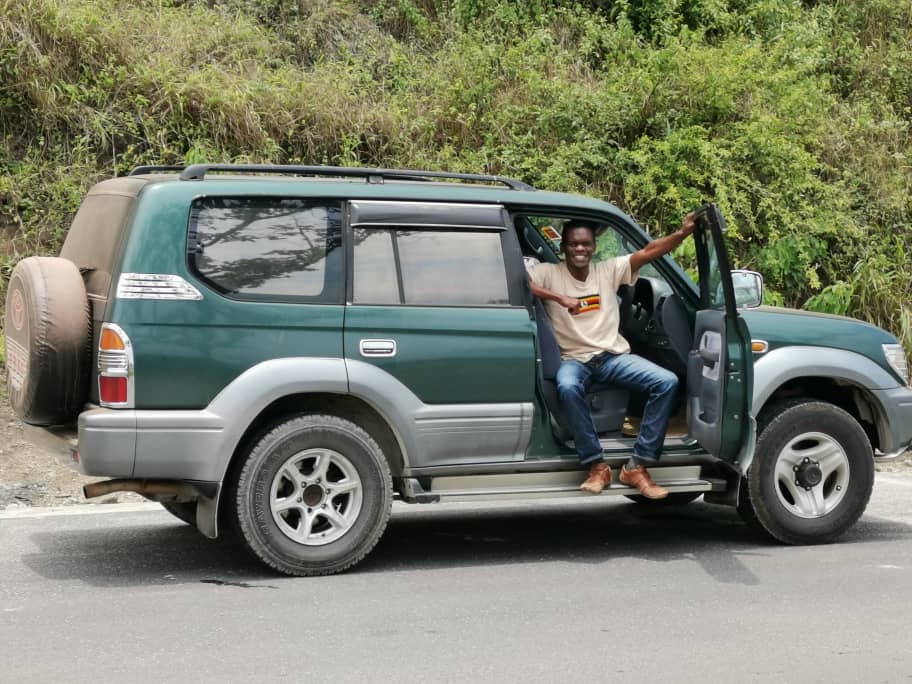
Toyota Land Cruiser (Prado or V8) The gold standard for this route, and for good reason. Excellent ground clearance, a torquey engine that handles steep gradients without strain, and enough comfort to make the 8-10 hour drive bearable. The Prado suits couples and small groups comfortably; the V8 is the pick for families or anyone wanting extra space and power. Expect rental rates in the $85-150/day range depending on model and whether you take a driver.
Toyota RAV4 The most budget-friendly genuine 4×4 option on this route. It has less ground clearance than a Land Cruiser and asks a bit more of the driver on the roughest sections, but it’s entirely capable of the Kabale-Bwindi stretch in dry conditions and costs meaningfully less per day — typically $40-55 for self-drive. A solid choice for solo travelers and couples on a tighter budget who are comfortable driving carefully on rough terrain.
Land Rover Defender or Discovery A premium, rugged choice built for exactly this kind of terrain. If you want the most capable off-road vehicle available and don’t mind paying for it, this is it — rates typically run $100-180/day.
Safari Land Cruiser with rooftop tent If you’re combining Bwindi with stops at Lake Mburo or Queen Elizabeth and want the flexibility to camp along the way, a Land Cruiser TZ with a rooftop tent gives you both off-road capability and self-contained accommodation for the road trip portion of your itinerary.
Whichever you choose, a full-size spare tyre, basic recovery gear, and a working jack are non-negotiable for this route — breakdowns happen far from mechanics once you’re past Kabale.
Self-Drive or Driver-Guided for This Particular Route?
This is one route where the case for a driver-guide is genuinely strong, even for experienced self-drive travelers. The murram sections into Bwindi involve blind bends, stream crossings, and steep drop-offs that a driver who knows the road handles far more comfortably than a first-time visitor navigating them after already being behind the wheel for seven or eight hours. Driver-guided hire typically adds $25-35/day on top of the self-drive rate for the same vehicle — a modest cost against the peace of mind it buys on this specific stretch, especially if you’re traveling in the rainy season.
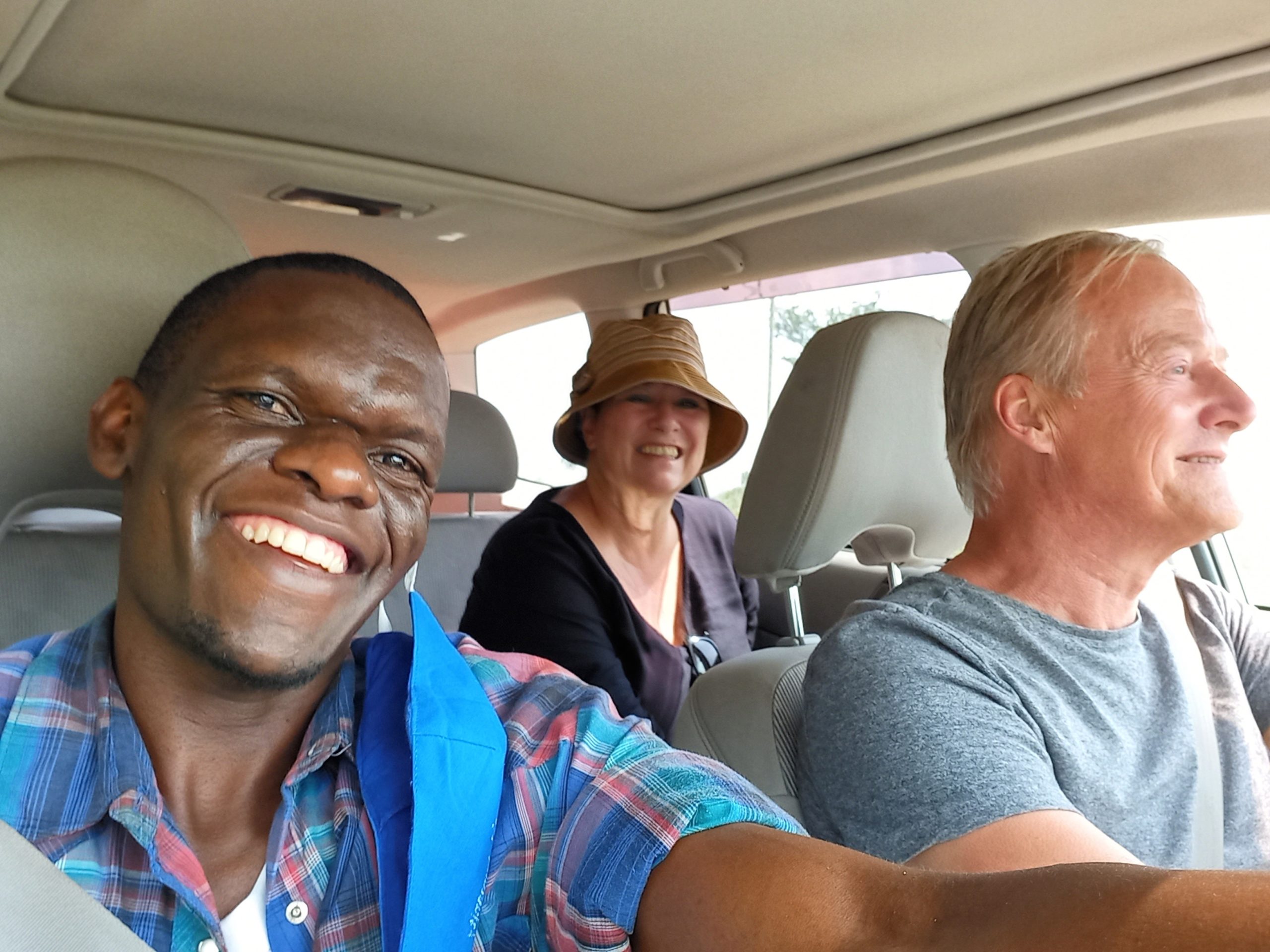
If you’re a confident, experienced driver and the timing works in dry season, self-drive is entirely doable and rewarding. If it’s your first visit to Uganda or you’re arriving in the rains, a driver is the better call for this route specifically, even if you self-drive everywhere else on your trip.
Practical Tips for the Drive
- Leave Kampala by 7:00am to clear the city’s morning traffic before it peaks. This single decision does more for your schedule than anything else on the list.
- Split the drive over two days using Mbarara as an overnight stop. It breaks the journey at a natural midpoint and means you’re not tackling the Bwindi murram roads on tired legs after nine hours of driving.
- Never drive after dark on this route. Unlit cyclists, livestock, and unmarked potholes make night driving on Uganda’s rural roads genuinely dangerous, and the final approach to Bwindi is not one to attempt in darkness regardless of your vehicle.
- Fuel up in Mbarara or Kabale. These are your last reliable fuel stops before the murram sections, where stations become sparse.
- Engage low-range 4WD for the Kabale-Bwindi climb if it’s been raining, even if you don’t think you need it yet.
- Book your gorilla permit before anything else. Permits cost USD 700 per person per trek and are booked through the Uganda Wildlife Authority. Demand consistently outpaces supply in peak season, so secure this first and build your vehicle and accommodation plans around your confirmed trekking date and sector.
- Book accommodation close to your trekking sector, not just “near Bwindi” — Buhoma, Ruhija, Rushaga, and Nkuringo are spread out, and you’ll need to reach the briefing point by 7:30-8:00am on trekking day.
Planning Your Bwindi Road Trip
The drive from Kampala to Bwindi is long, but it’s genuinely one of the best road trips in East Africa — rolling hills, the Equator crossing, Lake Mburo’s savannah, and the misty highlands of Kigezi before you arrive at the edge of one of the planet’s most extraordinary forests. Getting the vehicle right is what turns that drive from an endurance test into part of the adventure itself.
Ready to book your 4×4 for the road to Bwindi? Get a quote from DK Rent A Car Uganda for a Land Cruiser, RAV4, or safari vehicle — self-drive or with an experienced driver-guide who knows this route well. Tell us your trekking sector and dates, and we’ll help you plan the whole drive.