Self-Drive vs Driver Hire in Uganda: 2026 Cost Guide
If you’re planning a Uganda road trip or safari in 2026, you’ve probably hit the same fork in the road every traveler does: do you rent a car and drive yourself, or pay extra for a driver-guide?
On the surface, the answer looks obvious — a self drive in Uganda is cheaper because you’re not paying a driver’s daily fee. But that’s only true if you look at the sticker price and stop there. The real cost of a Uganda trip includes fuel, insurance, deposits, park logistics, and a handful of “what if” scenarios that can quietly close the gap between the two options — or even flip it.
This guide breaks down actual 2026 numbers for both options, walks through a real sample itinerary priced both ways, and tells you honestly which type of traveler saves more money with each choice.
The Quick Answer
Self-drive is cheaper on paper, typically by US$25–35 per day — the going rate for a driver-guide’s daily allowance. For short trips on well-maintained routes, confident drivers usually come out ahead financially with self-drive. For longer safaris, remote parks, larger groups, or first-time visitors, hiring a driver often works out to be the same cost or better once you factor in the risks and hidden expenses self-drive carries.
There’s no single right answer — it depends on your route, your experience, and your group size. Below is exactly how to work it out for your own trip.
2026 Daily Rental Rates: Self-Drive vs. With Driver
Here’s what you can expect to pay per day across the most commonly rented vehicle categories in Uganda this year. Treat these as planning figures — always confirm your exact quote before booking, since rates shift with rental duration, drop-off location, and season.
| Vehicle Category | Self-Drive (per day) | With Driver (per day) |
|---|---|---|
| Economy saloon (Toyota Corolla, Wish) | $25 – $45 | $50 – $70 |
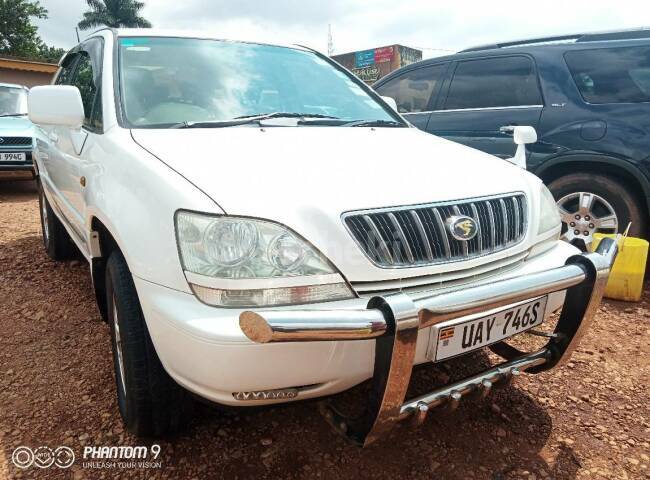
| Compact 4×4 (Toyota RAV4) | $40 – $55 | $65 – $85 |
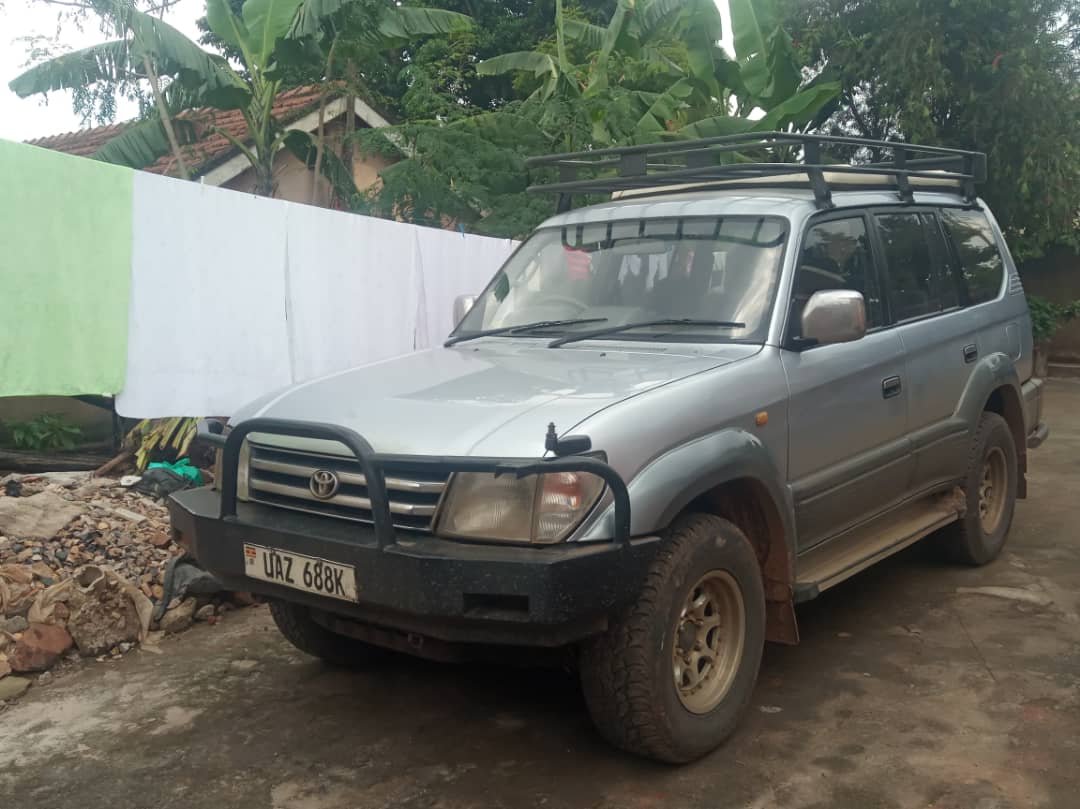
| Mid-range 4×4 (Land Cruiser Prado TX) | $60 – $85 | $90 – $115 |
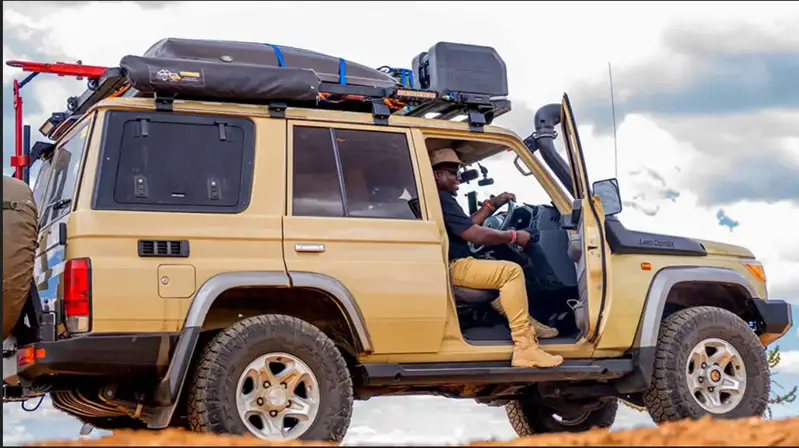
| Safari Land Cruiser (TZ/rooftop tent) | $85 – $120 | $115 – $150 |
| Luxury 4×4 (Land Cruiser V8/VX) | $90 – $130 | $120 – $165 |
| Safari van (7–9 seats) | $90 – $130 | $120 – $160 |
| Minibus / group bus (12–28 seats) | — | $130 – $180 |
The pattern holds across every category: a driver typically adds $25–35 a day to whatever the self-drive rate already is. That fee isn’t pure profit for the rental company — it covers the driver’s daily allowance, meals, and accommodation while they’re on the road with you, so there’s no separate bill waiting for you at the end.
What the Daily Rate Doesn’t Include
This is where trip budgets usually go wrong. Neither self-drive nor driver-guided quotes typically include the following, and they apply almost equally to both options:
- Fuel. Almost never included in the quoted rate. A Land Cruiser Prado doing a 600 km round trip to Bwindi at roughly 10–12 litres per 100 km will add somewhere in the region of $35–50 to your daily budget, more on rough murram roads.
- National park entry fees. Separate from vehicle rental entirely, and required regardless of who’s driving.
- Airport transfer surcharge. Many companies add $10–30 for Entebbe pickup or drop-off.
- Cross-border documentation. If your route extends into Rwanda, Kenya, or Tanzania, budget an extra $50–150 for permits and paperwork.
Where the Two Options Really Diverge: Deposits, Insurance, and Risk
This is the part most price comparisons skip, and it’s the part that actually decides which option saves you money.
Self-drive requires a refundable security deposit, typically $200–500 depending on the vehicle. It’s returned at the end of the rental if the car comes back undamaged — but that’s the catch. Basic insurance usually carries an excess (the amount you’re liable for before insurance kicks in) that can run from $300 up to $1,000+ on 4×4 vehicles. Many budget policies also exclude damage sustained off tarmac, which matters a great deal in Uganda since virtually every safari route runs on unpaved roads.
Driver-guided hire shifts that risk onto someone with local experience. A driver who knows the roads to Kidepo, the Ishasha track in Queen Elizabeth, or the switchbacks into Bwindi is considerably less likely to hit a pothole hard enough to trigger your insurance excess, get stuck in mud during rainy season, or take a wrong turn that costs you hours and extra fuel.
Neither of these things is guaranteed to happen on a self-drive trip — most self-drive trips go completely smoothly. But it’s a real cost that only shows up in some scenarios, and a fair cost comparison has to account for it rather than assuming the best case every time.
A Real Example: 7 Days, Lake Mburo to Queen Elizabeth, Prado, Two Travelers
Numbers make this easier to see than percentages. Here’s the same itinerary priced both ways.
Self-drive, best case (nothing goes wrong):
- Vehicle: $75/day × 7 = $525
- Fuel: ~$40/day × 7 = $280
- Total: ~$805
Self-drive, if you clip a rock on a murram track (insurance excess triggered):
- Base cost above: $805
- Insurance excess: +$400
- Total: ~$1,205
With driver:
- Vehicle + driver: $105/day × 7 = $735
- Fuel: ~$40/day × 7 = $280
- Total: ~$1,015
On paper, self-drive saves roughly $210 over the week — essentially just the driver fee. But that saving only holds if nothing goes wrong. One rough-road incident and self-drive ends up costing more than the driver-guided option would have, on top of the stress and lost time of dealing with it mid-trip.
This doesn’t mean self-drive is a bad choice — thousands of travelers do it successfully every year on exactly this kind of route. It means the “with driver” price isn’t competing against a guaranteed lower cost; it’s competing against a self-drive cost that has some chance of running higher than the sticker price suggests.
Who Actually Saves More With Self-Drive
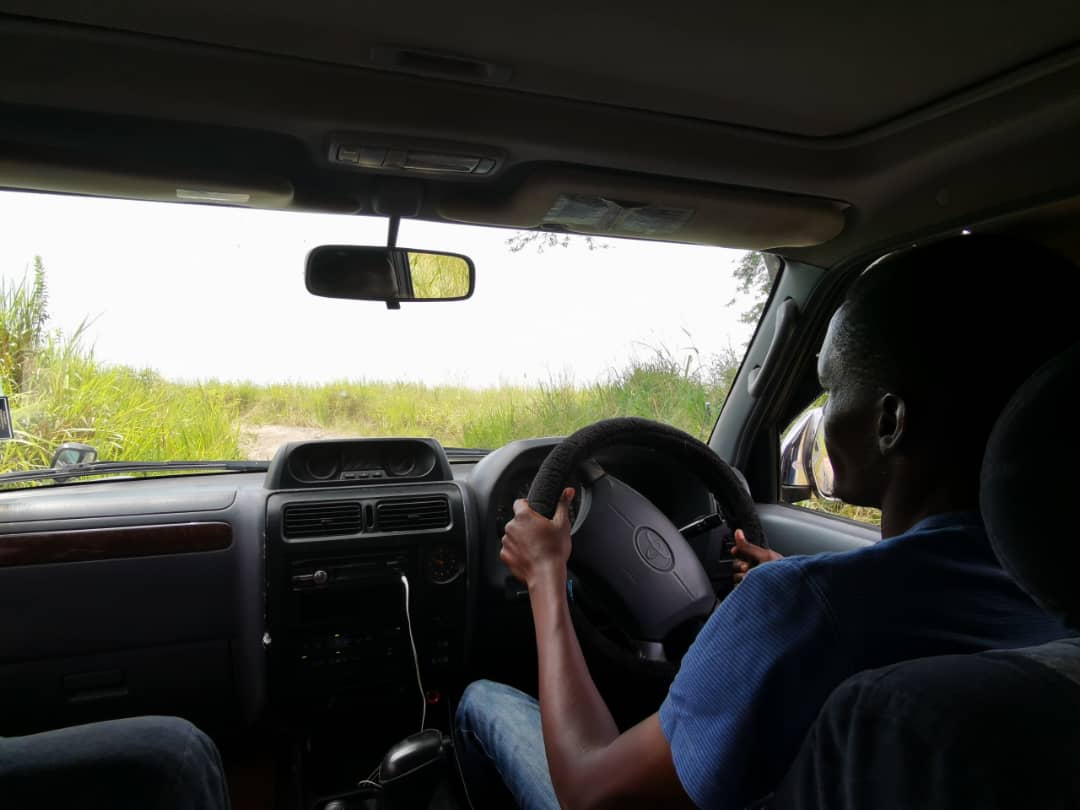
Self-drive tends to be the genuinely cheaper option for:
- Solo travelers and couples on trips of a week or less, where the driver fee is a larger share of the total cost.
- Confident, experienced drivers comfortable with left-hand traffic and manual transmissions on unpaved roads.
- Repeat visitors who already know Uganda’s routes and don’t need local navigation help.
- Longer rentals, where discounted weekly or monthly rates stretch the savings further.
- Trips concentrated on well-maintained routes — Kampala, Entebbe, Jinja, and the main highway to Mbarara, for instance.
Who Usually Comes Out Ahead With a Driver
Driver-guided hire tends to offer better real value for:
- Groups of three or more and families, since the driver fee is fixed per vehicle and gets split more ways.
- First-time visitors to Uganda, especially those unfamiliar with left-hand driving or rough road conditions.
- Trips into remote sectors — Kidepo Valley, the Ishasha sector of Queen Elizabeth, or deep Bwindi trekking routes — where local knowledge of the terrain matters most.
- Rainy season travel, when murram roads get slippery and a driver’s experience reduces the odds of getting stuck.
- Anyone who’d rather spend their trip enjoying the scenery than watching the road.
The Middle Path: Self-Drive Vehicle, Optional Driver
A lot of seasoned Uganda travelers land on a third option: book a self-drive vehicle and add a driver for roughly $25–35 extra per day, rather than booking a full driver-guided package from the start. You keep the lower base vehicle rate, retain the flexibility of having your own private vehicle for the trip, and gain someone in the seat next to you who knows the roads for the sections where it matters most — then drive yourself on the easy stretches if you’d like.
Most self-drive vehicles in our fleet can be booked this way, and the rate simply shifts to reflect it. It’s worth asking about directly when you get your quote.
A Few Practical Notes Before You Book
- Uganda drives on the left, as in the UK. If you’re used to right-hand traffic, factor in an adjustment period.
- An International Driving Permit (IDP) isn’t strictly required if your home license is printed in English and states your vehicle class, but it’s strongly recommended for everyone else, and rarely a bad idea regardless.
- Highways between major towns are well maintained; it’s the rural park roads and rainy-season conditions where the self-drive vs. driver decision matters most.
- Confirm your insurance excess and whether off-road damage is covered before you sign anything — this single detail affects your worst-case cost more than any other line item in this guide.
The Bottom Line
Self-drive is cheaper by default, and for the right traveler, it stays that way for the whole trip. But “cheaper on paper” and “cheaper by the end of the trip” aren’t automatically the same thing in Uganda — the gap depends on your route, the season, your driving experience, and how much you value not having to think about any of it.
If you’re still weighing it up, tell us your route, group size, and experience level, and we’ll give you an honest recommendation along with an exact quote — not just the option that sounds best in an advert.
Ready to compare your options? Get a free quote from DK Rent A Car Uganda for both self-drive and driver-guided rates on your exact itinerary, or reach out via WhatsApp and we’ll help you decide.